PATIENCE WINS HEARTS
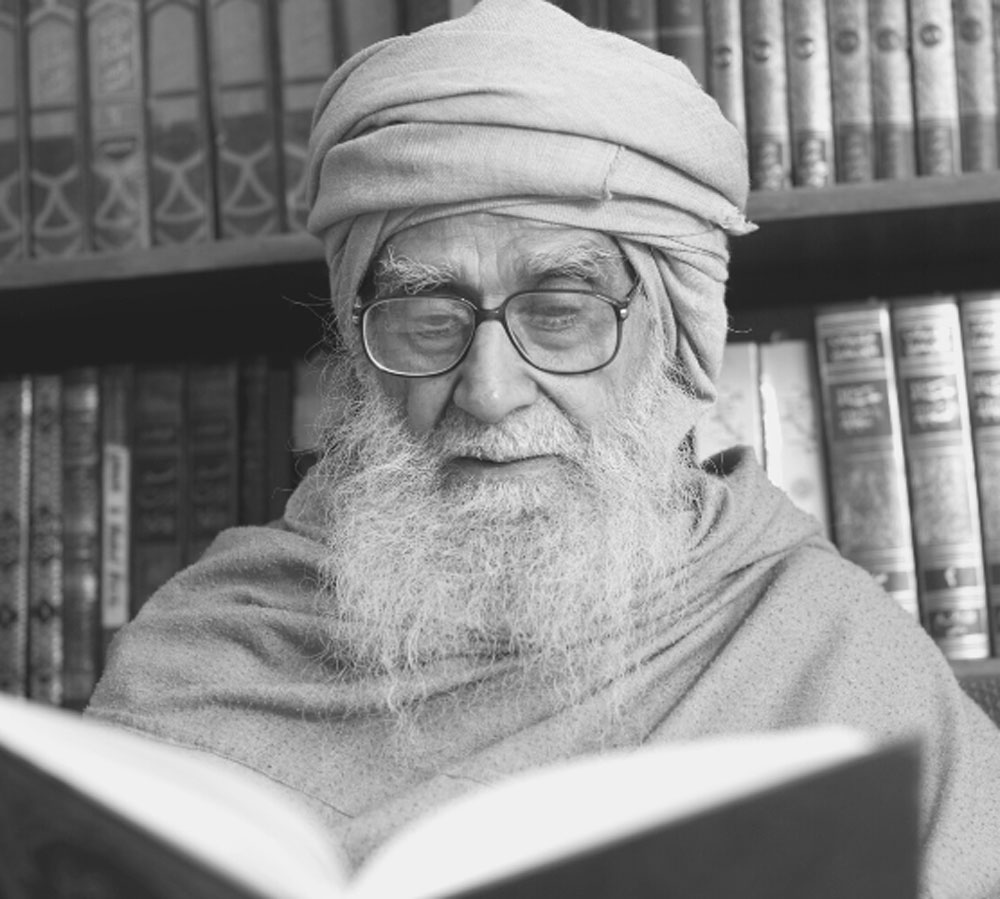
Maulana Ikramuddin Qasmi (born in 1938) was from Dumrawan in the Bhagalpur district of Bihar. In a meeting on 7 February 1990, he shared some personal experiences that carry an important lesson.
One such incident took place in 1966. Maulana Ikramuddin crossed the Ganga River by steamer. From there, he boarded a passenger train at Barari railway station, heading to Bhagalpur. The train was crowded. On one seat, there was an old Dalda tin being used to carry Ganga water. He moved the tin aside and sat down.
After some time, a Hindu youth returned. The tin was his. He had placed it on the seat and stepped out. When he noticed it had been moved, he asked who had done it. Maulana Ikramuddin replied, “I moved it.” At once, the young man grew furious. In his belief, since a Muslim had touched it, the tin had become impure. He shouted, “This tin contained Ganga water. I was taking it to Deoghar. You have defiled it. Now it is useless.” His anger boiled over, and he kept shouting that the water had been made impure. Maulana Ikramuddin did not react. Calmly, he stood up, leaving the seat for the youth. He said, “I did not know this tin contained Ganga water, or that touching it would make it impure. I made a mistake. Please forgive me.”
But the young man continued to rage, while Maulana listened silently without showing any reaction. Watching this, the other Hindu passengers turned against the youth and came to Maulana’s support. They said, “Since he is quiet and has admitted his mistake, why are you shouting so much?” They reassured Maulana: “Don’t worry. He cannot do anything to you.”
Eventually, the youth fell silent. Maulana kept standing. After a while, the youth asked coldly, “Where are you coming from?” Maulana replied, “From Khadak Bazar” (where he lived at the time). The youth said, “There is a Maulana Ikramuddin in Khadak Bazar. Do you know him? He is a very good man. My mother once went to him for an amulet, and it helped her a lot. I want to meet him.”
Smiling, Maulana said, “He is traveling right now. By tomorrow he will return. Then you can meet him.” The youth asked, “How do you know he is traveling?” Maulana replied, “The traveler you are speaking to is that very Maulana Ikramuddin.”
As soon as he heard this, the young man fell at his feet. He said, “Forgive me. I have made a terrible mistake. I feel like punishing myself for it.” He insisted that Maulana sit in his place, while he himself stood until the last station. At the next stop, when they both got off, the youth pressed Maulana to have breakfast with him. Maulana narrated more such incidents and remarked, “Among Hindus we have found good character. Such character we do not find among present-day Muslims.”
He shared another story as well: In 1982, I went to Bangalore to lead the Tarawih prayers. One day, I was traveling by scooter from Hegnur to Koram Halli. On the way, my scooter ran out of petrol. I pushed it for some distance until I saw a coconut grove by the roadside, with a car parked inside. I went in. A Hindu man was sitting there. As soon as he saw me, he told his worker, “Bring a chair.” They seated me and asked what the matter was. I explained, “My scooter has run out of petrol. The nearest petrol is eight kilometers away. Seeing your car, I thought I might get some petrol here.”
The Hindu immediately told his driver, “Check if there’s petrol outside. If yes, put it in his scooter. If not, take some out of our car and give it to him.” After receiving petrol, I pulled out a twenty-rupee note to pay. At once, the Hindu folded his hands and said, “Please, don’t embarrass us. We don’t want money—just your prayers.”
Do not get angry with people. And if someone gets angry with you, do not respond with anger—calm them down instead. You will see that the person you thought was your enemy will turn into a close friend.
Every human being is created by God. No one in this world is created by anyone else. This means every person has the same nature as everyone else. Each person has the same awareness of good and bad.
But every person also carries an ego. This “ego” is the root of all problems. Yet God, in His special mercy, has kept this ego dormant within the human heart. By default, it lies asleep. True wisdom is to let it remain asleep, never waking it.
When a person’s ego is asleep, he acts naturally. At that time, he does only what true humanity demands. A person becomes bad only when his ego is stirred. A wise person should avoid awakening others’ egos as much as possible. And if someone’s ego does get aroused, he should act wisely to put out that fire at once.
Those who adopt this wise way will never have grievances against others—no matter what country they live in.