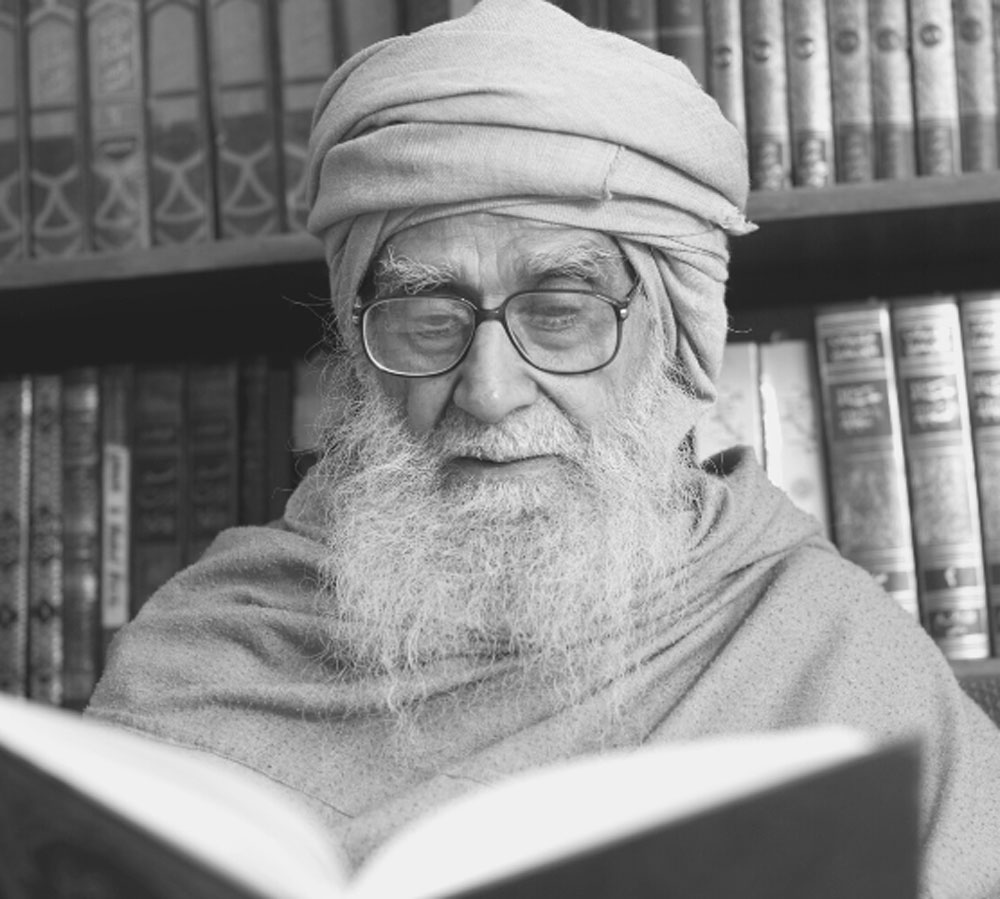
On March 3, 1984, an internationally renowned Indian Muslim scholar addressed a meeting held in the I M A Hall, New Delhi. The hall was almost bustling with the people eager to hear the words of this fountain-head of wisdom.
The subject of his speech was one of the Prophet of Islam’s first sermons to the Quraish (The Arabian tribe from which the Prophet was descended). When the verse of the Quran, “And warn your nearest kinsfolk (26:214),” was revealed, the Prophet ascended Mount Safa and called for the attention of Quraish. People gathered to hear what he had to say. “Bani Muttalib, Bani Fahr, Bani Lawi,” the Prophet said, addressing them all separately by the names of their clans, “if I were to tell you that there was an army behind this mountain, coming to attack you, would you believe me?” Everyone said that they would, for the Prophet was known as the truthful person. “Well, the Prophet said, “I am warning you of a dreadful and imminent doom.”
Clearly the purpose of the Prophet calling his people together, and admonishing them in this manner, was to warn of a terrible fate in the hereafter for those who refused to submit to one God, and believe in the Quran that had been revealed to him in his role of God’s messenger.
But the speaker who addressed this huge gathering of Muslims put a different construction upon the words of the prophet. To him the most important thing about the Prophet’s sermon was not the message that is conveyed, but the fact that the Prophet referred to his own impeccable and universally accepted good character. The Muslims too, he said, should advertise their faith by showing high moral character in their dealings with others.
What the Prophet’s sermon was genuinely concerned with was warning people of the coming of the Day of Judgement, when the good would be rewarded and the evil punished. It was, in short, a sermon preaching Islam and calling to the faith. But the heading that the speaker put the Prophet’s words under was ‘Islamic Character,’ which was surely a great shift of emphasis, although a very valid point.
Such has been the case with almost all the Muslim scholars in recent times. Words of the Prophet, and verses of the Quran, which are meant to impress upon Muslims the importance of calling mankind to true faith in God, have been placed in misleading wrong contexts. That is why Muslims in the present day and age are oblivious to their prime responsibility: preaching the word of God. □